Adult programs get the glory, but kids' classes pay the rent. Here's how top schools structure, price, and retain their youngest students.
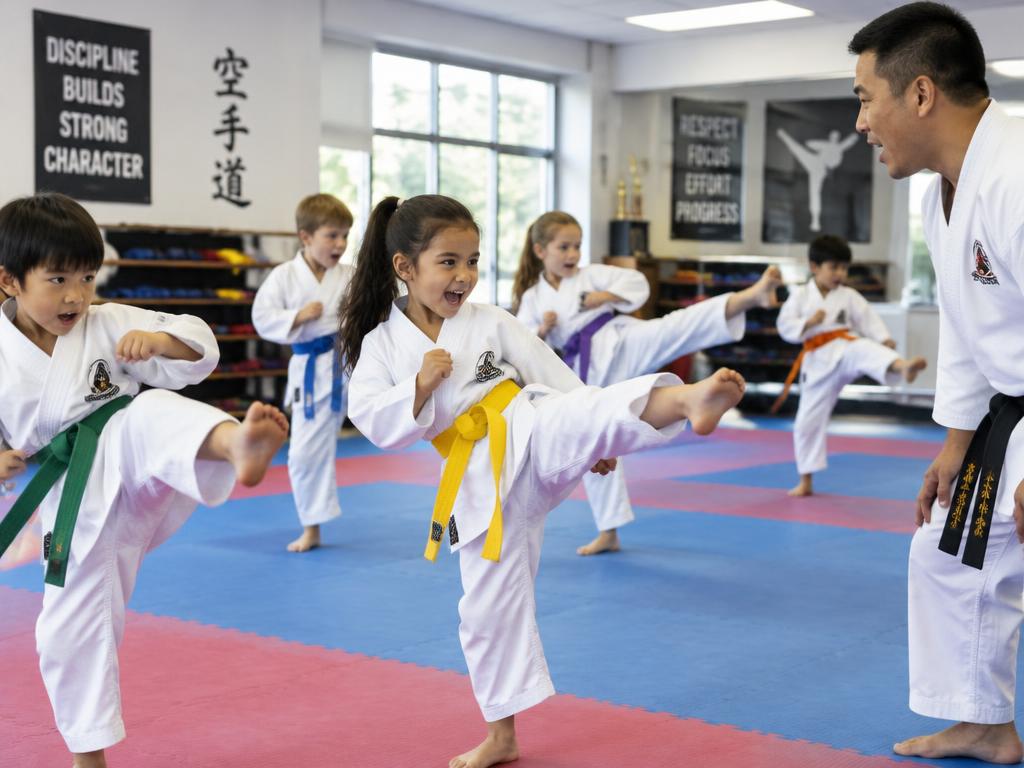
Look at the revenue mix of almost any profitable martial arts school and one number jumps out: kids' programs typically account for 60 to 80 percent of membership. Adult classes build the school's reputation; kids' classes build the business.
The reasons are structural. Parents commit to activities in semesters and years, not months. Siblings enroll together. And a child who starts at six may train for a decade, a lifetime value no adult program matches.
Top schools design for this deliberately. They run after-school pickup programs that solve a childcare problem, not just a martial arts one. They structure belt progression so families always see the next milestone. And they communicate relentlessly with parents, who are the real customers.
Retention in kids' programs lives and dies on parent communication. Progress reports, belt ceremony invitations, and quick texts when a child misses class keep families engaged. Many schools automate this through platforms like Academy Blast, so a missed class triggers a friendly check-in without anyone at the front desk lifting a finger.
The schools that treat their kids' program as the core product, not a feeder for the adult classes, are the ones with waiting lists.