
Guides
How to Start a Martial Arts School: The Complete Owner's Playbook
From choosing a location to signing your first fifty students, everything a new school owner needs to get right in the first year.
Guide · 12 min read
 Roundhouse Media
Class structure, character curriculum, parent communication, and the details that turn a kids' program into your school's growth engine.
By Roundhouse Staff · Guide · 10 min read
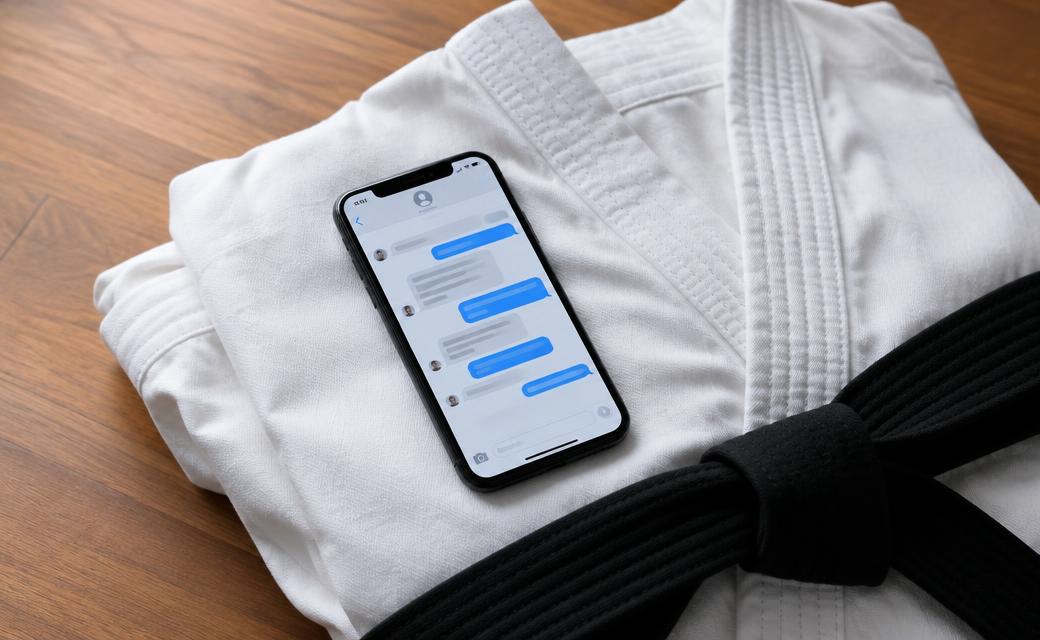
Kids' programs are the financial backbone of most successful martial arts schools, typically accounting for 60 to 80 percent of membership. But the schools with waiting lists do not just teach kids martial arts. They run a program deliberately designed around what parents actually buy: visible character development, structure, and communication.
Start with class structure. Kids' classes should be segmented by age and rank, not lumped together. A four-year-old and a ten-year-old need completely different pacing. Keep classes tight, 30 to 45 minutes for the youngest groups, with a predictable rhythm: warm-up, skill block, drill, game, mat chat. Predictability is what lets a shy child relax and a wild child focus.
Build a character curriculum and name it. Parents enroll for focus, respect, and confidence; the kicks and punches are the delivery mechanism. A monthly life-skill theme, a mat chat script, and a way to recognize kids who demonstrate it at home or school turn your program from an activity into a development system parents talk about.
Belt progression is your retention engine. Make milestones frequent for beginners, visible on a wall chart, and celebrated with real ceremony. Parents should always know what their child is working toward and when the next test is.
Communicate with parents relentlessly, because they are the customer. Weekly updates, progress notes, and a quick message when a child misses class keep families engaged. This is also where most programs break down as they grow: the owner simply cannot text eighty families by hand. Schools solve this with automation through platforms like Academy Blast, where a missed class triggers a friendly check-in and belt test reminders go out automatically.
Finally, train your instructors on teaching children, not just martial arts. The best kids' instructors are energetic, patient, and great with names. A technically brilliant instructor who cannot hold a room of seven-year-olds will empty your program faster than any competitor.
From choosing a location to signing your first fifty students, everything a new school owner needs to get right in the first year.
Guide · 12 min read

Why students really quit, the warning signs that show up weeks before they cancel, and the systems that keep families training for years.
Guide · 11 min read
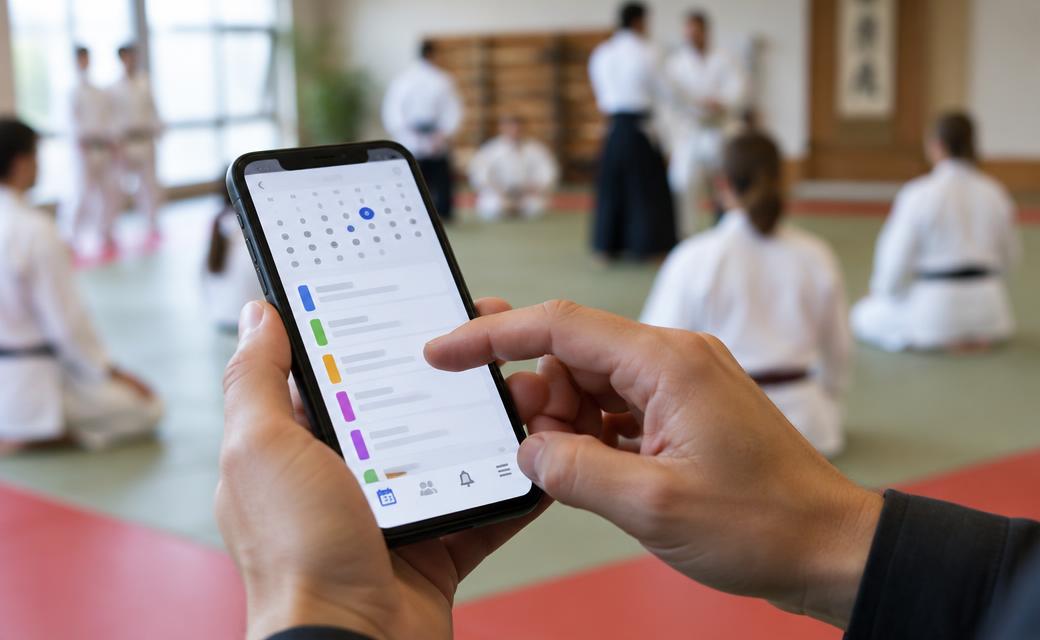
What successful schools charge, how to structure programs and upgrades, and why the cheapest school in town is usually the emptiest.
Guide · 9 min read